Your Wi-Fi Can See You: How Wi-Fi Sensing Is Changing Privacy
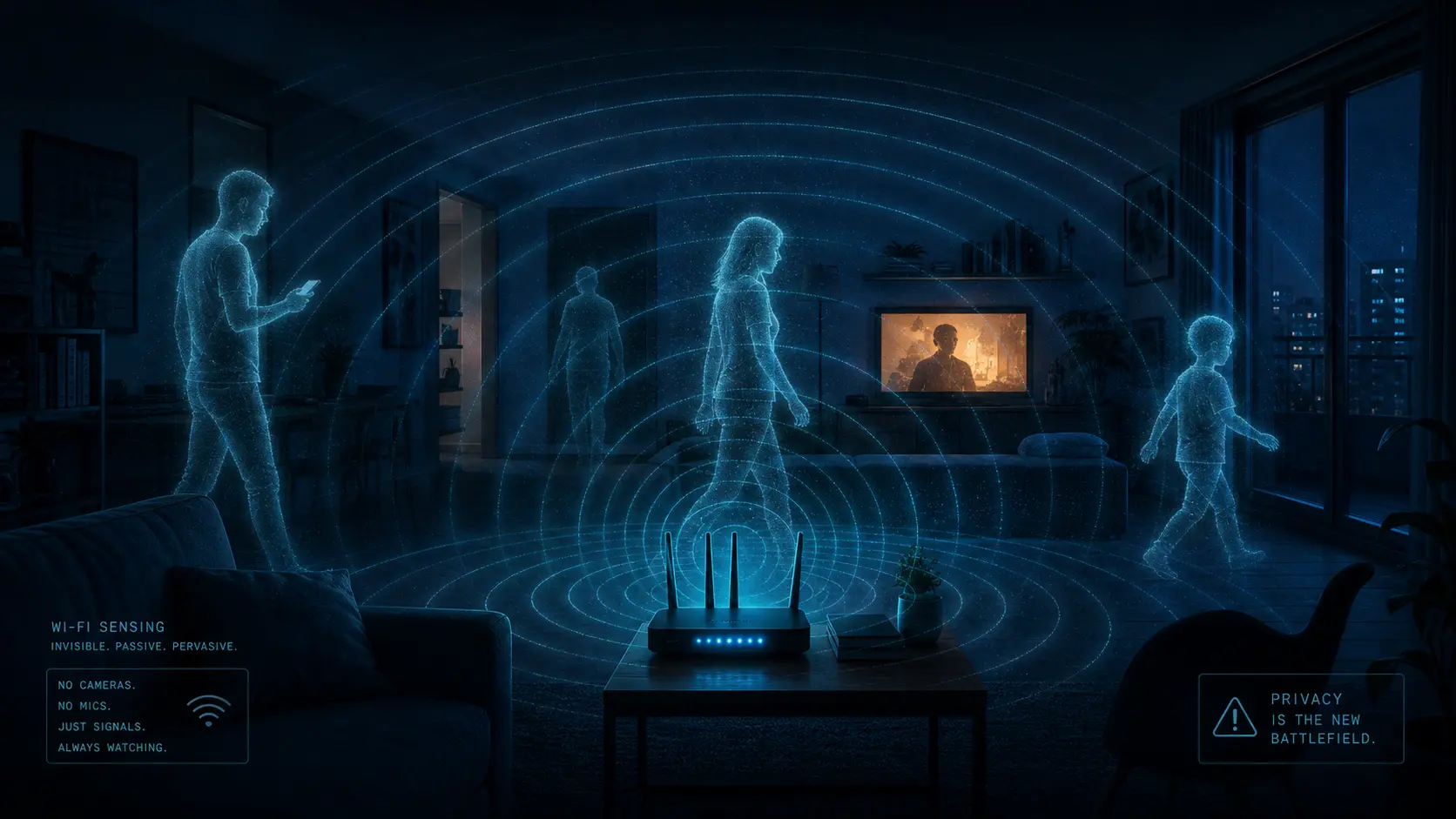
Most people think Wi-Fi is only used for watching videos, scrolling social media, gaming, or working online. But modern Wi-Fi technology is becoming much more powerful than that.
A technology called Wi-Fi sensing can detect movement, presence, and even breathing patterns without using cameras, microphones, or wearable devices.
This means ordinary Wi-Fi routers could one day act like silent sensors inside homes, offices, hotels, hospitals, and public spaces. While this technology has useful benefits, it also raises serious questions about digital privacy, surveillance, cybersecurity, and smart home safety.
Your Wi-Fi is no longer just for internet access
For years, Wi-Fi was seen as a simple connection tool. It helped phones, laptops, TVs, and smart devices connect to the internet.
Now, Wi-Fi can also be used to understand what is happening in a physical space. The same radio signals that carry internet data can also reveal movement and presence.
That does not mean your router is taking pictures of you. It means Wi-Fi signals can change when they bounce off your body, furniture, walls, and other objects. With the right software, those changes can be analyzed.
What is Wi-Fi sensing?
Wi-Fi sensing is a technology that uses radio waves from Wi-Fi devices to detect activity in a space.
Wi-Fi signals travel through the air and bounce off objects in a room, including walls, furniture, and people. When those signals return, they are slightly changed.
Advanced software can study those tiny changes to detect things like:
- whether someone is in the room
- how a person is moving
- breathing patterns
- body position
- room occupancy
In simple words, your Wi-Fi may not "see" you like a camera, but it can still sense that you are there.
How Wi-Fi sensing works
The easiest way to understand Wi-Fi sensing is to compare it to sonar.
Bats send out sound waves. Those waves bounce off objects and return as echoes. From those echoes, bats can understand where objects are.
Wi-Fi sensing works in a similar way, but instead of sound waves, it uses radio waves.
When Wi-Fi signals bounce off your body, the signal changes slightly. These changes can be studied using advanced algorithms to detect movement, presence, and sometimes small body motions such as breathing.
This process is often linked to CSI, which stands for Channel State Information. CSI analysis is one of the technical foundations behind Wi-Fi sensing.
The new Wi-Fi standard: 802.11bf
Wi-Fi sensing is no longer just a research project or lab experiment. It now has an official standard called 802.11bf.
This standard is designed to bring sensing features directly into future Wi-Fi devices. That means routers, access points, and smart home devices may include built-in sensing abilities by default.
The important part is simple: you may not need extra cameras, motion sensors, or wearable devices. The same router that provides internet access could also detect presence and movement in a room.
What can Wi-Fi sensing detect?
Modern Wi-Fi sensing systems can collect a surprising amount of information from wireless signal changes.
Possible capabilities include:
- detecting if someone is inside a room
- tracking movement across a space
- monitoring breathing rate
- estimating heart rate in some cases
- identifying which rooms are occupied
- tracking multiple people at the same time
Because Wi-Fi radio waves can pass through walls, sensing may even work when a person is not in the same room as the router.
This is what makes the technology powerful, but also concerning.
Why Wi-Fi sensing is powerful and scary
The biggest privacy concern is that Wi-Fi sensing can be almost invisible.
Cameras are easy to notice. Microphones and motion sensors can often be seen or detected. But Wi-Fi sensing uses signals that already exist around us.
This creates serious privacy risks:
- you may not know you are being tracked
- there may be no visible camera, lens, or warning light
- existing privacy laws often focus on video, audio, and images, not radio-wave sensing
- companies may describe it as "occupancy analytics" or "smart automation" instead of surveillance
This means a hotel, office, landlord, or business could potentially monitor activity patterns without people fully understanding what is happening.
Positive uses of Wi-Fi sensing
Like many new technologies, Wi-Fi sensing will be promoted through helpful use cases.
Some real benefits include:
- Elderly care: detecting falls, checking movement, and monitoring safety without cameras
- Healthcare: monitoring breathing and patient presence without physical contact
- Smart homes: turning lights, heating, or cooling on and off based on room occupancy
- Security: detecting movement in restricted areas or empty buildings
These uses can be genuinely helpful. The problem is not the technology itself. The real problem is how easily it can be misused.
The dark side: hotels, workplaces, and borders
Now imagine Wi-Fi sensing being used in places where privacy matters most.
In hotels or rental homes, Wi-Fi sensing could be used to:
- track when you are inside your room
- infer sleep patterns
- detect movement around the room
- monitor bathroom usage indirectly
- control energy usage based on occupancy
From a business point of view, this may sound efficient. But from a privacy point of view, it can feel like invisible monitoring.
Workplaces could also use Wi-Fi sensing to track employee presence, movement, and behavior patterns.
In border security or law enforcement, Wi-Fi sensing could be used to detect people behind walls, inside vehicles, or near restricted areas. Since it does not require obvious cameras or bright lights, it may be difficult for ordinary people to notice or challenge.
Why privacy laws are not ready
Most privacy laws were written for older surveillance tools like CCTV cameras, microphones, recorded videos, and stored images.
Wi-Fi sensing is different because:
- it does not need to record video
- it does not need to record audio
- it works through wireless signal patterns
- the data may look like technical analytics instead of personal surveillance
Because of this, some uses of Wi-Fi sensing may avoid traditional privacy rules, even though the impact on personal privacy can be serious.
We are moving toward a world where simply being in a Wi-Fi-covered space may be enough to be tracked.
Why this matters for cybersecurity
From a cybersecurity perspective, Wi-Fi sensing changes the threat model.
In the past, privacy risks mostly focused on:
- network hacking
- camera hacking
- microphone abuse
- data breaches
Now there is a new risk: passive sensing attacks.
An attacker or organization could potentially use wireless signals to:
- detect if a room is occupied
- track movement patterns
- monitor activity over time
- gather information without direct access to cameras or devices
This connects physical security, wireless security, and privacy into one major issue.
For cybersecurity professionals, Wi-Fi sensing is no longer something to ignore.
Can you protect yourself?
Right now, there is no perfect solution that blocks every form of Wi-Fi sensing. However, there are some ways to reduce the risk.
You can:
- use Ethernet instead of Wi-Fi where possible
- disable unnecessary Wi-Fi radios on routers and smart devices
- limit Wi-Fi coverage in sensitive areas
- avoid unknown or untrusted smart home devices
- use strong router security settings
- support privacy laws that include wireless sensing technologies
In high-security environments, RF shielding and careful building design may also help reduce signal-based sensing.
For regular users, the first step is awareness. People need to understand that "no camera" does not always mean "no surveillance."
The future of invisible surveillance
Wi-Fi sensing shows how surveillance is becoming less visible.
In the past, surveillance often meant cameras on walls or microphones in rooms. In the future, surveillance may be built directly into everyday infrastructure like routers, access points, and smart home devices.
Combined with artificial intelligence, Wi-Fi sensing could become a powerful behavior-tracking system.
This does not mean all Wi-Fi sensing is bad. It can help in healthcare, elderly care, automation, and safety. But without strong privacy rules, transparency, and user consent, it can also become another form of invisible surveillance.
Final thoughts
Wi-Fi sensing is a powerful technology that could change smart homes, healthcare, security, and privacy forever.
The biggest lesson is simple:
No camera does not always mean no monitoring.
As Wi-Fi technology becomes smarter, we need better privacy laws, better cybersecurity practices, and more public awareness.
If we care about privacy, we must start treating Wi-Fi sensing as a serious issue before invisible tracking becomes a normal part of everyday life.
If you found this article helpful, visit PashtunEinstein for more articles on cybersecurity, privacy, technology, and practical knowledge you can actually use.
آپ کا وائی فائی آپ کو دیکھ سکتا ہے: وائی فائی سینسنگ پرائیویسی کو کیسے بدل رہی ہے
اکثر لوگ سمجھتے ہیں کہ وائی فائی صرف ویڈیو دیکھنے، سوشل میڈیا سکرول کرنے، گیمنگ، یا آن لائن کام کرنے کے لیے استعمال ہوتی ہے۔ لیکن جدید وائی فائی ٹیکنالوجی اس سے کہیں زیادہ طاقتور ہو رہی ہے۔
وائی فائی سینسنگ نامی ٹیکنالوجی کیمرے، مائیکروفون، یا پہننے والے آلات کے بغیر حرکت، موجودگی، اور یہاں تک کہ سانس کے نمونے کو محسوس کر سکتی ہے۔
اس کا مطلب ہے کہ عام وائی فائی روٹر ایک دن گھروں، دفاتر، ہوٹلوں، اسپتالوں، اور عوامی جگہوں میں خاموش سینسرز کی طرح کام کر سکتے ہیں۔ اگرچہ اس ٹیکنالوجی کے فائدے ہیں، لیکن یہ ڈیجیٹل پرائیویسی، نگرانی، سائبرسیکیورٹی، اور اسمارٹ ہوم سیکیورٹی کے بارے میں سنگین سوالات بھی اٹھاتی ہے۔
آپ کا وائی فائی اب صرف انٹرنیٹ تک رسائی کے لیے نہیں ہے
سالوں سے، وائی فائی کو ایک سادہ کنکشن ٹول سمجھا جاتا تھا۔ اس نے فونز، لیپ ٹاپس، ٹی وی، اور اسمارٹ آلات کو انٹرنیٹ سے جوڑنے میں مدد کی۔
اب، وائی فائی کو کسی فزیکل جگہ میں کیا ہو رہا ہے یہ سمجھنے کے لیے بھی استعمال کیا جا سکتا ہے۔ وہی ریڈیو سگنل جو انٹرنیٹ ڈیٹا لے کر جاتے ہیں وہ حرکت اور موجودگی بھی ظاہر کر سکتے ہیں۔
اس کا مطلب یہ نہیں کہ آپ کا روٹر آپ کی تصویریں لے رہا ہے۔ اس کا مطلب ہے کہ وائی فائی سگنل آپ کے جسم، فرنیچر، دیواروں، اور دوسری اشیاء سے ٹکرانے پر بدل سکتے ہیں۔ صحیح سافٹ ویئر کے ساتھ، ان تبدیلیوں کا تجزیہ کیا جا سکتا ہے۔
وائی فائی سینسنگ کیا ہے؟
وائی فائی سینسنگ ایک ایسی ٹیکنالوجی ہے جو کسی جگہ میں سرگرمی کو محسوس کرنے کے لیے وائی فائی آلات سے ریڈیو لہروں کا استعمال کرتی ہے۔
وائی فائی سگنل ہوا میں سفر کرتے ہیں اور کمرے میں موجود اشیاء سے ٹکراتے یں، جن میں دیواریں، فرنیچر، اور لوگ شامل ہیں۔ جب وہ سگنل واپس آتے ہیں تو وہ تھوڑے سے بدل جاتے ہیں۔
جدید سافٹ ویئر ان چھوٹی تبدیلیوں کا مطالعہ کر کے چیزیں محسوس کر سکتی ہے جیسے:
- کیا کوئی کمرے میں ہے
- کوئی شخص کیسے حرکت کر رہا ہے
- سانس کے نمونے
- جسم کی پوزیشن
- کمرے کی بھیڑ
سادہ الفاظ میں، آپ کا وائی فائی کیمرے کی طرح آپ کو "دیکھ" نہیں سکتا، لیکن یہ محسوس کر سکتا ہے کہ آپ وہاں ہیں۔
وائی فائی سینسنگ کیسے کام کرتی ہے
وائی فائی سینسنگ کو سمجھنے کا آسان ترین طریقہ یہ ہے کہ اسے سونار سے موازنہ کریں۔
چمڑے آواز کی لہریں بھیجتے ہیں۔ وہ لہریں اشیاء سے ٹکرائیں اور گونج کے طور پر واپس آتی ہیں۔ اس گونج سے، چمڑے سمجھ سکتے ہیں کہ اشیاء کہاں ہیں۔
وائی فائی سینسنگ اسی طرح کام کرتی ہے، لیکن آواز کی لہروں کی بجائے ریڈیو لہروں کا استعمال کرتی ہے۔
جب وائی فائی سگنل آپ کے جسم سے ٹکراتے ہیں، سگنل تھوڑا سا بدل جاتا ہے۔ ان تبدیلیوں کا تجزیہ جدید الگورتھمز کا استعمال کر کے حرکت، موجودگی، اور کبھی کبھی سانس کی طرح چھوٹی حرکات کو محسوس کرنے کے لیے کیا جا سکتا ہے۔
اس عمل کو اکثر CSI سے جوڑا جاتا ہے، جو چینل اسٹیٹ انفارمیشن کے لیے ہے۔ CSI تجزیہ وائی فائی سینسنگ کی تکنیکی بنیادوں میں سے ایک ہے۔
نیا وائی فائی معیار: 802.11bf
وائی فائی سینسنگ اب صرف ایک تحقیقی پروجیکٹ یا لیب تجربہ نہیں ہے۔ اسے اب ایک سرکاری معیار مل گیا ہے جسے 802.11bf کہتے ہیں۔
یہ معیار سینسنگ کی خصوصیات کو براہ راست مستقبل کے وائی فائی آلات میں لانے کے لیے ڈیزائن کیا گیا ہے۔ اس کا مطلب ہے کہ روٹر، ایکسیس پوائنٹس، اور اسمارٹ ہوم آلات میں پہلے سے سینسنگ کی اہلیت ہو سکتی ہے۔
اہم بات یہ ہے: آپ کو اضافی کیمرے، موشن سینسرز، یا پہننے والے آلات کی ضرورت نہیں ہو سکتی۔ وہی روٹر جو انٹرنیٹ فراہم کرتا ہے وہ کمرے میں موجودگی اور حرکت بھی محسوس کر سکتا ہے۔
وائی فائی سینسنگ کیا محسوس کر سکتی ہے؟
جدید وائی فائی سینسنگ سسٹمز وائرلیس سگنل کی تبدیلیوں سے حیرت انگیز معلومات جمع کر سکتے ہیں۔
ممکنہ اہلیتیں شامل ہیں:
- کیا کوئی کمرے کے اندر ہے یہ محسوس کرنا
- کسی جگہ میں حرکت کو ٹریک کرنا
- سانس کی رفتار کی نگرانی
- کچھ معاملات میں دل کی دھڑکن کا تخمینہ
- کون سے کمرے استعمال ہو رہے ہیں یہ شناخت کرنا
- ایک ہی وقت میں متعدد افراد کو ٹریک کرنا
چونکہ وائی فائی ریڈیو لہریں دیواروں سے گزر سکتی ہیں، سینسنگ اس وقت بھی کام کر سکتی ہے جب کوئی روٹر کے ساتھ ایک ہی کمرے میں نہ ہو۔
یہی چیز ٹیکنالوجی کو طاقتور بناتی ہے، لیکن پریشان کن بھی۔
وائی فائی سینسنگ کیوں طاقتور اور ڈراؤنی ہے
سب سے بڑا پرائیویسی کا خدشہ یہ ہے کہ وائی فائی سینسنگ تقریباً نادیدہ ہو سکتی ہے۔
کیمرے دیکھنا آسان ہے۔ مائیکروفون اور موشن سینسرز اکثر دیکھے یا محسوس کیے جا سکتے ہیں۔ لیکن وائی فائی سینسنگ ایسے سگنلز کا استعمال کرتی ہے جو پہلے سے ہمارے ارد گرد موجود ہیں۔
اس سے سنگین پرائیویسی کے خطرے پیدا ہوتے ہیں:
- آپ کو شاید معلوم نہ ہو کہ آپ کو ٹریک کیا جا رہا ہے
- کوئی نمایاں کیمرہ، لینس، یا وارننگ لائٹ نہیں ہو سکتی
- موجودہ پرائیویسی قوانین اکثر ویڈیو، آڈیو، اور تصاویر پر توجہ دیتے ہیں، ریڈیو لہر سینسنگ پر نہیں
- کمپنیاں اسے "اکیوپینسي اینالیٹکس" یا "اسمارٹ آٹومیشن" کہہ سکتی ہیں نگرانی کی بجائے
اس کا مطلب ہے کہ کوئی ہوٹل، دفتر، مالک، یا کاروبار ممکنہ طور پر سرگرمی کے نمونے کی نگرانی کر سکتا ہے بغیر اس بات کو مکمل طور پر سمجھے کہ کیا ہو رہا ہے۔
وائی فائی سینسنگ کے مثبت استعمال
بہت سی نئی ٹیکنالوجیز کی طرح، وائی فائی سینسنگ کو مددگار کیسز کے ذریعے فروغ دیا جائے گا۔
کچھ حقیقی فوائد شامل ہیں:
- بزرگوں کی دیکھ بھال: کیمرے کے بغیر گرنے کو محسوس کرنا، حرکت کی جانچ، اور حفاظت کی نگرانی
- صحت کی دیکھ بھال: جسمانی رابطے کے بغیر سانس اور مریض کی موجودگی کی نگرانی
- اسمارٹ گھر: کمرے کی بھیڑ کے مطابق لائٹس، ہیٹنگ، یا کولنگ آن/آف کرنا
- سیکیورٹی: محدود علاقوں یا خالی عمارتوں میں حرکت کو محسوس کرنا
یہ استعمال واقعی مددگار ہو سکتے ہیں۔ مسئلہ ٹیکنالوجی خود نہیں ہے۔ اصل مسئلہ یہ ہے کہ اسے کتنی آسانی سے غلط استعمال کیا جا سکتا ہے۔
تاریک پہلو: ہوٹل، کام کی جگہیں، اور سرحدیں
اب تصور کریں کہ وائی فائی سینسنگ ان جگہوں پر استعمال ہو رہی ہے جہاں پرائیویسی سب سے زیادہ اہم ہے۔
ہوٹلوں یا کرایہ دار گھروں میں، وائی فائی سینسنگ کا استعمال ہو سکتا ہے:
- آپ کب اپنے کمرے میں ہیں اسے ٹریک کرنے کے لیے
- سونے کے نمونے کا اندازہ لگानے کے لیے
- کمرے کے ارد گرد حرکت کو محسوس کرنے کے لیے
- بالواسطہ طور پر باتھ روم کے استعمال کی نگرانی کے لیے
- بھیڑ کی بنیاد پر توانائی کے استعمال کو کنٹرول کرنے کے لیے
کاروباری نقطہ نظر سے، یہ موثر لگ سکتا ہے۔ لیکن پرائیویسی کے نقطہ نظر سے، یہ نادیدہ نگرانی جیسا محسوس ہو سکتا ہے۔
دفاتر بھی ملازم کی موجودگی، حرکت، اور سلوک کے نمونے کو ٹریک کرنے کے لیے وائی فائی سینسنگ استعمال کر سکتے ہیں۔
سرحدی سیکیورٹی یا قانون نافذ کرنے والے اداروں میں، وائی فائی سینسنگ دیواروں کے پیچھے، گاڑیوں کے اندر، یا محدود علاقوں کے قریب لوگوں کو محسوس کرنے کے لیے استعمال ہو سکتی ہے۔ چونکہ اسے واضح کیمرے یا روشن لائٹس کی ضرورت نہیں ہے، عام لوگوں کے لیے محسوس کرنا یا چیلنج کرنا مشکل ہو سکتا ہے۔
پرائیویسی قوانین کیوں تیار نہیں ہیں
زیادہ تر پرائیویسی قوانین پرانے نگرانی کے ٹولز جیسے CCTV کیمرے، مائیکروفون، ریکارڈ شدہ ویڈیوز، اور محفوظ شدہ تصاویر کے لیے لکھے گئے تھے۔
وائی فائی سینسنگ مختلف ہے کیونکہ:
- اسے ویڈیو ریکارڈ کرنے کی ضرورت نہیں ہے
- اسے آڈیو ریکارڈ کرنے کی ضرورت نہیں ہے
- یہ وائرلیس سگنل کے نمونوں کے ذریعے کام کرتی ہے
- ڈیٹا تکنیکل اینالیٹکس کی طرح نظر آ سکتا ہے ذاتی نگرانی کی بجائے
اس کی وجہ سے، وائی فائی سینسنگ کے کچھ استعمال موجودہ پرائیویسی کے قوانین سے بچ سکتے ہیں، اگرچہ ذاتی پرائیویسی پر اثر سنگین ہو سکتا ہے۔
ہم ایسی دنیا کی طرف بڑھ رہے ہیں جہاں وائی فائی کے盖过的 فضا میں ہونا ٹریک کے لیے کافی ہو سکتا ہے۔
یہ سائبرسیکیورٹی کے لیے کیوں اہم ہے
سائبرسیکیورٹی کے نقطہ نظر سے، وائی فائی سینسنگ دھمکی کے ماڈل کو بدل دیتی ہے۔
минуے میں، پرائیویسی کے خطرے زیادہ تر اس پر توجہ دیتے تھے:
- نیٹ ورک ہیکنگ
- کیمرہ ہیکنگ
- مائیکروفون کا غلط استعمال
- ڈیٹا بریچ
اب ایک نیا خطرہ ہے: پیسیو سینسنگ اٹیکس۔
کوئی حملہ آور یا تنظیم ممکنہ طور پر وائرلیس سگنلز کا استعمال کر سکتی ہے:
- کمرے میں کوئی ہے یا نہیں یہ محسوس کرنے کے لیے
- حرکت کے نمونے ٹریک کرنے کے لیے
- وقت کے ساتھ سرگرمی کی نگرانی کے لیے
- کیمرے یا آلات تک براہ راست رسائی کے بغیر معلومات جمع کرنے کے لیے
یہ فزیکل سیکیورٹی، وائرلیس سیکیورٹی، اور پرائیویسی کو ایک بڑے مسئلے میں جوڑتی ہے۔
سائبرسیکیورٹی پروفیشنلز کے لیے، وائی فائی سینسنگ اب نظر انداز کرنے کی چیز نہیں ہے۔
کیا آپ خود کو محفوظ کر سکتے ہیں؟
ابھی، وائی فائی سینسنگ کو روکنے کا کوئی مکمل حل نہیں ہے۔ تاہم، خطرہ کم کرنے کے کچھ طریقے ہیں۔
آپ کر سکتے ہیں:
- جہاں ممکن ہو Ethernet کا استعمال کریں
- روٹرز اور اسمارٹ آلات پر غیر ضروری وائی فائی ریڈیوز کو غیر فعال کریں
- حساس علاقوں میں وائی فائی کوریج کو محدود کریں
- نامعلوم یا غیر مستند اسمارٹ ہوم آلات سے بچیں
- مضبوط روٹر سیکیورٹی ترتیبات استعمال کریں
- ایسے پرائیویسی قوانین کی حمایت کریں جو وائرلیس سینسنگ ٹیکنالوجیز کو شامل کرتے ہیں
اعلیٰ سیکیورٹی والے ماحول میں، RF شیلڈنگ اور احتیاط سے عمارت کا ڈیزائن بھی سگنل بیسڈ سینسنگ کو کم کرنے میں مدد کر سکتے ہیں۔
عام صارفین کے لیے، پہلا قدم باخبری ہے۔ لوگوں کو یہ سمجھنے کی ضرورت ہے کہ "کوئی کیمرہ نہیں" ہميشہ "کوئی نگرانی نہیں" نہیں ہوتا۔
نادیدہ نگرانی کا مستقبل
وائی فائی سینسنگ یہ دکھاتی ہے کہ نگرانی کم نادیدہ ہو رہی ہے۔
минуے میں، نگرانی اکثر کیمرے دیواروں پر یا مائیکروفون کمرے میں ہوتے تھے۔ مستقبل میں، نگرانی براہ راست روٹرز، ایکسیس پوائنٹس، اور اسمارٹ ہوم آلات جیسی روزمرہ کی انفراسٹرکچر میں built-in ہو سکتی ہے۔
آرٹیفیشل انٹیلیجنس کے ساتھ مل کر، وائی فائی سینسنگ ایک طاقتور سلوک ٹریکنگ سسٹم بن سکتی ہے۔
اس کا مطلب یہ نہیں کہ تمام وائی فائی سینسنگ بری ہے۔ یہ صحت کی دیکھ بھال، بزرگوں کی دیکھ بھال، آٹومیشن، اور حفاظت میں مدد کر سکتی ہے۔ لیکن مضبوط پرائیویسی کے قوانین، شفافیت، اور صارف کی رضامندی کے بغیر، یہ نادیدہ نگرانی کی ایک اور شکل بھی بن سکتی ہے۔
اختتامی خیالات
وائی فائی سینسنگ ایک طاقتور ٹیکنالوجی ہے جو اسمارٹ گھروں، صحت کی دیکھ بھال، سیکیورٹی، اور پرائیویسی کو ہمیشہ کے لیے بدل سکتی ہے۔
سب سے بڑا سبق سادہ ہے:
کوئی کیمرہ نہیں ہميشہ نگرانی نہیں کا مطلب نہیں۔
جیسے جیسے وائی فائی ٹیکنالوجی اسمارٹ ہوتی جا رہی ہے، ہمیں بہتر پرائیویسی قوانین، بہتر سائبرسیکیورٹی کے طریقے، اور زیادہ عوامی باخبری کی ضرورت ہے۔
اگر ہم پرائیویسی کی فکر کرتے ہیں، تو ہمیں نادیدہ ٹریکنگ کو روزمرہ زندگی کا عام حصہ بننے سے پہلے وائی فائی سینسنگ کو ایک سنگین مسئلہ سمجھنا شروع کرنا ہو گا۔